

Engaging the 95%:
The Impact of Investing
in B2B Organic Social
goodhelp
Current State of (Many)
B2B Brands’ Organic Presence
Imagine someone you’ve never met asks you to play catch.
You respectfully decline, but then every time you see that person for the rest of your life, they wind up and throw you the ball.
That’s what a lot of B2B brands are doing on LinkedIn every day, with every organic post, and unsurprisingly, they walk away with little to no net result from the channel.
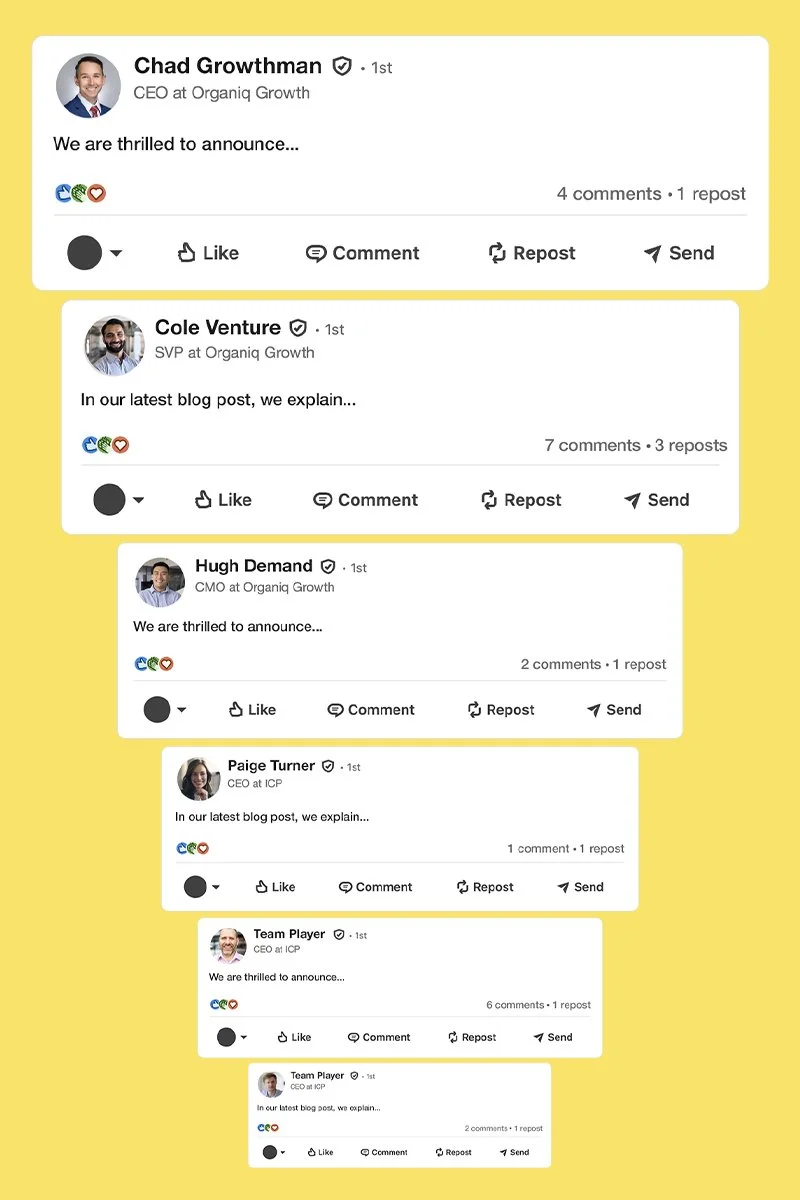
LinkedIn has changed, but many B2B brands have not.
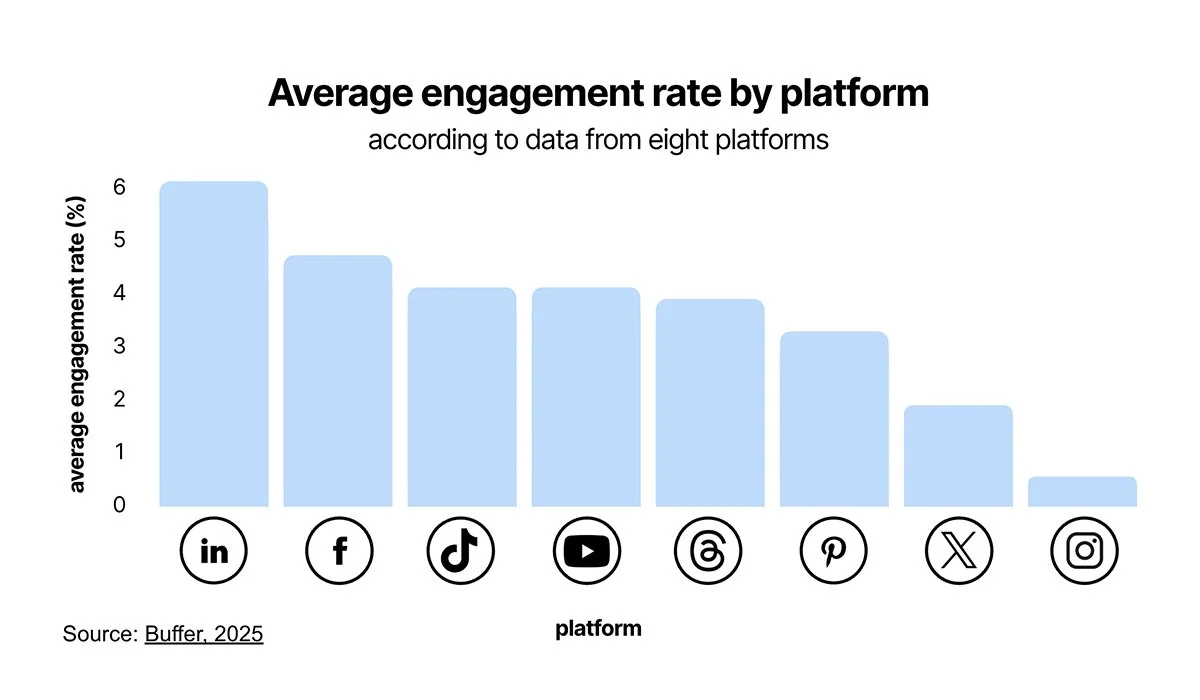
LinkedIn’s role in driving B2B conversions is well established, but its emergence as the social platform with the highest engagement rate is new and still largely untapped.
LinkedIn by the Numbers
1 billion members, including 61 million senior influencers and 10 million C-level executives
80% of B2B social leads come from LinkedIn
Highest engagement rate across major social networks
Unpacking Common B2B Organic Social Missteps
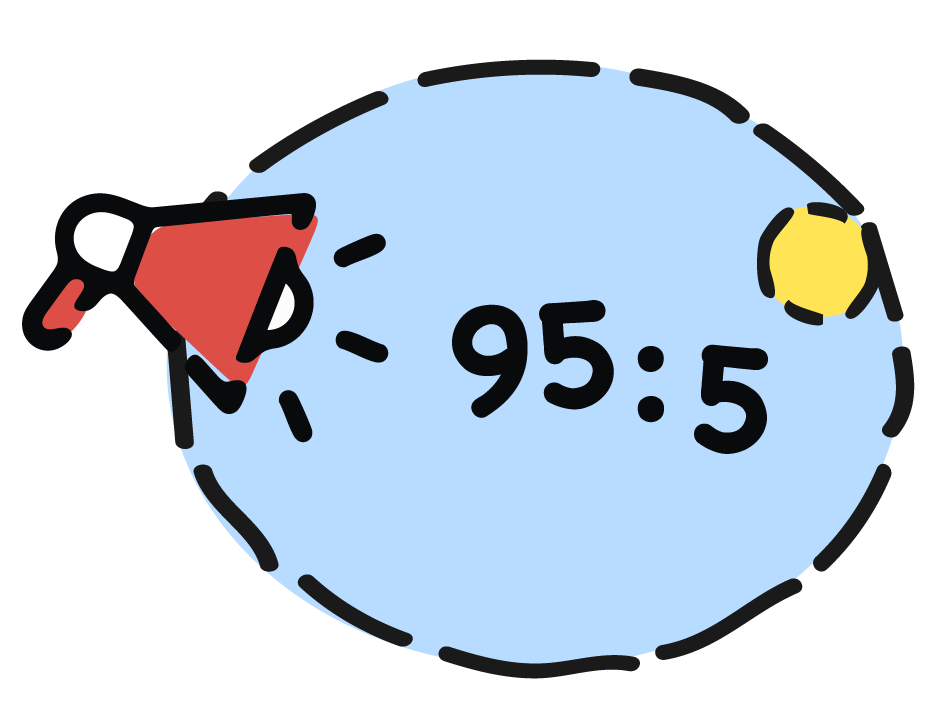
There’s a well-known golden ratio in B2B marketing: 95:5. For those not yet indoctrinated, the 95:5 principle suggests that at any given moment only 5% of a B2B brand’s potential buyers are in-market.
There’s a lot of pressure to convert these in-market buyers, and in response, many B2B brands lump their LinkedIn organic brand presence onto a long list of low priority, low return (🤝) sales channels.
The broken LinkedIn organic playbook often includes these three ingredients:
Lack of internal accountability
LinkedIn page management is often added to the end of a long list of low priority ‘to dos’ for a team or staff member that doesn’t have experience or expertise in using the platform to grow a brand account.
No budget for social-first content
Without budget, the team ends up recycling content from other channels (SEO blogs, press releases and webinars) instead of creating posts just for LinkedIn.
ICP is treated as the organic social audience
With no channel-specific goal or content, LinkedIn organic does what every other channel is doing. Sales-driven asks target the 5% of in-market buyers, setting the initiative up to fail by focusing on the brand’s smallest potential audience.
A broken playbook = an overlooked channel.
A marketing channel that could help build connections with future buyers and amplify relationships with current clients and partners is effectively written off.
Scroll through LinkedIn and you’ll see the broken playbook again and again. But, every once in a while, you’ll see a brand that understands the assignment and sees the opportunity for brand building on LinkedIn.
A Better LinkedIn Organic Playbook:
Engaging with Your Largest
Addressable Audience
Brands with a strong organic presence view LinkedIn as more than a sales channel. For them, it’s the go-to platform to establish brand relevance with their largest addressable audience.
They focus on engaging and connecting with the 95% of buyers who aren’t yet in-market… and beyond. By creating content that adds real value to this wider group, they build influence today and earn trust with the 5% who will buy later.
When done well, this playbook creates a network effect. The brand is noticed, remembered and part of the conversation before the buying cycle begins. This trust accelerates decisions when buyers enter the 5%.
“LinkedIn isn’t just another distribution channel — it’s a platform for native content, where leaders set the tone, teams join the conversation, and brands drive real impact.”
Our Approach to Creating B2B Brand Impact with Organic Social
In August 2024, a global B2B brand came to us after a recent cycle through this broken LinkedIn organic playbook. With several high-visibility launches approaching, they needed to rebuild their presence quickly. Although the brand was already contributing to many headline-worthy global events, its role was going largely unrecognized across the industry.
Here’s how we helped them turn the lights back on and re-establish LinkedIn as a premiere messaging platform.
01
Identify a business goal that a strong LinkedIn organic brand presence is uniquely capable of helping you achieve.
Follower growth is helpful to track and signals that your brand is increasing on-platform relevance, but follower growth alone is not a defensible platform goal. Your primary goal should tie directly to a messaging challenge that LinkedIn is uniquely positioned to solve, and it should be clear enough to persuade your leadership to invest.
Here are three ways you can approach setting this primary goal:
-
Establish LinkedIn as your premiere messaging channel and a place where warm leads and active clients can find consistent value.
-
Create space for your brand in conversations by being the emerging voice to address a brand or industry messaging problem head-on.
-
Become the go-to brand thought leader on a specific niche within your audience ecosystem.
02
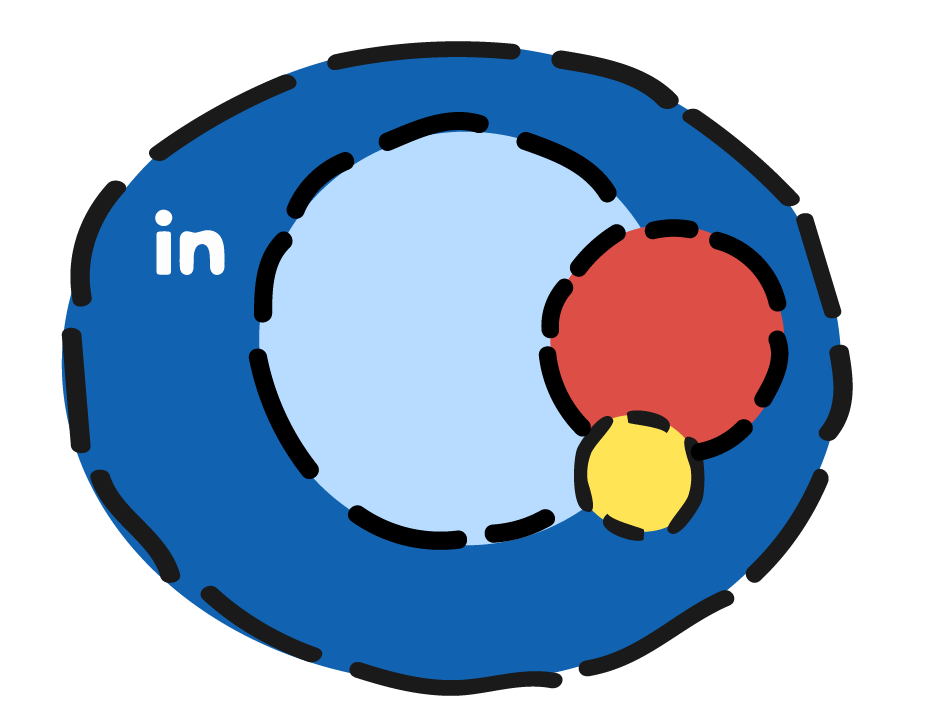
When we build ICPs for paid campaigns, we obsess over qualifiers like company size, industry, and role to make sure no impression is wasted. Organic works very differently. On LinkedIn, your ICP is just one part of a much larger audience ecosystem.
With the right messaging strategy, that broader mix isn’t a limitation — it’s an opportunity. To make organic work, you need messaging that speaks to the wider ecosystem, not just the 5% who are in-market today.
Think beyond your ICP to map out your organic audience ecosystem.
Ask yourself: what’s the largest audience our brand can credibly speak to? To earn social relevance and establish a meaningful channel presence, your content needs to focus on capturing engagement rather than intent.
When we do this, we start acting like we’re communicating on a social media platform with millions of users instead of just stepping on stage to deliver an invite-only keynote. We are effectively turning the mic on.
LinkedIn Organic Brand Audience Ecosystem
03
Now that you’ve mapped out your real organic social audience, take the time to understand what this larger-than-ICP audience cares about and how different subsets interact.
Start on LinkedIn, but also explore other channels where your audience is engaging in professional conversation (Reddit, Slack, Discord, X, Bluesky).
Get a true pulse on the conversation within your ‘larger than ICP’ ecosystem.
-
Ground yourself in active conversations across the ecosystem. Developing a respected brand voice takes time as well as a genuine interest in following and engaging with conversations that will likely never have a direct tie to sales.
-
Review your past content. What landed? What didn’t? It’s okay if the list of what’s landed is short. Do this same exercise for your competitors and peers that are driving engagement. Take note of overlapping themes and approaches across these streams of analysis.
-
Outsiders conducting this research will only get so far without access to the most valuable conversations. Enlist an internal SME to show you around the beyond-LinkedIn subreddits and Slacks so you can build the most nuanced understanding of the conversation possible.
“Turning LinkedIn know-how into impact means having a dedicated resource to shape resonant content, embed the platform into the company’s strategy, and shift from routine posting to purposeful communication that amplifies leaders and the brand.”
04
Invest (real) resources into achieving this platform goal and ask for a minimum viable commitment from internal and external stakeholders.
A low-priority pet project rarely creates real business impact, but you also don’t need to invest hundreds of thousands to win on LinkedIn. What it does require is a minimum viable commitment that brings the right people and focus to the channel.
-
Use your business goal to show that LinkedIn success matters to the company and encourage internal and external partners (PR, Research, Design, Execs) to collaborate.
-
If no one in-house specializes in LinkedIn, bring in an outside expert to set your platform strategy and oversee the initial implementation. We find that a 12-week sprint is the minimum viable time investment to create a system that can then be carried on internally.
-
Specialists know LinkedIn, but an internal SME knows your industry, your audience and your content. Carve out at least 10 hours per week for an SME to share insights, write posts and respond to comments on your brand posts and in relevant conversations.
05
Grab easy wins and build momentum.
Leverage your existing content and relationships to establish these quick wins and create a foundation for developing net new messaging and content approaches.
Here are a few quick win paths to explore:
-
Create content that shines the spotlight on your existing clients and partners. You’ll tap into a built-in network of high-value engagement. People like to share content that makes them look good, and when those people include high profile accounts, it’s a win-win for you and them.
-
You don’t have to create a hero native content series right away. Instead, you can curate a digest of relevant articles, industry news or community insights that keeps the page active and positions the brand as a helpful guide.
-
If you already have tons of white papers and blogs, work with your LinkedIn specialist to create low-lift design templates that can deliver the value of this content on-platform (before you ask users to click off).
The impact of engaging the 95%
Over the span of our 2-month initial scope, we followed this playbook with the global B2B brand and saw:
Substantial increases in on-platform resonance
Significant momentum toward our larger platform goal of becoming the leading partner voice for our subject niche
An extended contract for 6 months to deepen impact
increase in daily follower growth vs. the previous 12 months.
2.5 X
Quick Win: As we shifted our audience and messaging approach, we saw an almost immediate uptick in post engagement and follower growth.
This helped us quickly re-advocate for the importance of our work and got internal and external partners excited to join a winning initiative.
Again, follower growth shouldn’t be your north star, but it is a helpful signal that what you’re doing is resonating.
native LinkedIn newsletter subscribers
25,000
Native Content Win: Our audience research helped us uncover an untouched thought leadership angle for a native newsletter.
After 3 monthly issues, we grew a LinkedIn newsletter audience of +25,000, giving the brand a low-lift native content series that is now a valuable monthly messaging platform.